
With all the talk surrounding retirement and saving up to that stage of life, there have been several movements (FIRE and coastFIRE) targeted towards retiring at an earlier age and determining the point in which no additional savings are needed to hit the number needed for retirement in the future.
The FIRE movement, which stands for Financial Independence Retire Early, encourages individuals to drastically reduce their expenses and increase their savings rate so they can retire in their 30s or 40s, enabling them to explore passions, travel or spend time with family without the constraints of a traditional job.
Similarly, coastFIRE is a more moderate approach, suggesting that individuals can save a certain amount early on and let compound growth do the heavy lifting, allowing them to coast through their career to retirement without the intense saving demands of traditional FIRE.
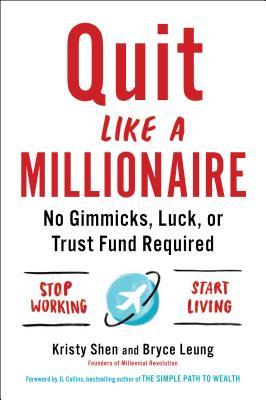
The finance books I have read typically only go over the basics about saving, paying off debt, the power of compound growth, etc. By the end of those books, I still felt left in the dark over how much I would need for retirement and how I could be highly confident that I would be okay in supporting myself without a steady paycheck from my employer. Quit Like a Millionaire is an awesome book that goes into the author’s own journey as part of a couple who retired in their 30s and how they were able to maintain their standard of living without requiring a job. It served not only as a realistic inspiration, but also practical advice on how to navigate the daunting task of planning for retirement. Here’s a sneak preview of what I learned:
- Yield Shield and Cash Cushion
- Cash cushion: your yearly expenses x 5 (takes about 5 years on average to recover from an economic downturn)
- Yield Shield: money obtained from preferred shares, interest, and dividend stocks
- Use these 2 strategies to successfully navigate retirement and avoid falling into the 5% failure rate of 30-year retirement plans
- Trinity study found that a 4% safe withdrawal rate over the course of 30 years would lead to a 95% success rate of retirement covering a 30-year time span
- Rule of 25. Multiply yearly expenses by 25 to see how much is needed for 30 years at a 4% safe withdrawal rate
- Index Funds don’t go to zero
- Picking stocks and expected to have big gains is foolish considering that there are traders who do this for a living and only a fraction of them manage to beat the market
- Save aggressively when young and watch that power of compound interest kick in
- Sell high and buy low
- During a market downturn maintain % allocations. This way as you are rebalancing your portfolio, you are purchasing index funds at a cheaper rate benefiting when the market recovers
- Having kids while retiring early is possible. Look into government savings through tax credits and cutting expenses. The statistics of how much it costs to raise a kid till they reach 18 years of age varies greatly based on what high-earning parents choose to put into their child’s care
- When choosing a major, choose what will give the highest earnings out of college. Then use the money from that job to pursue your hobbies and interests while saving for early retirement
- Stock portfolio taxes are less costly than employment taxes (capital gains taxes, tax-loss harvesting, qualified/unqualified dividend income)







 Life Fright
Leave a comment